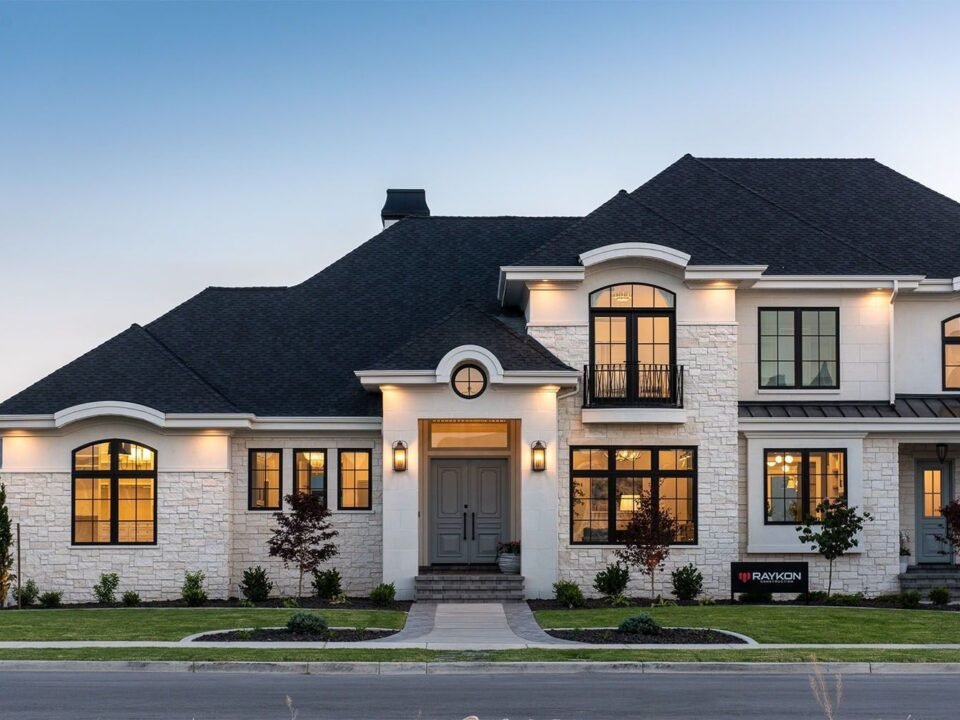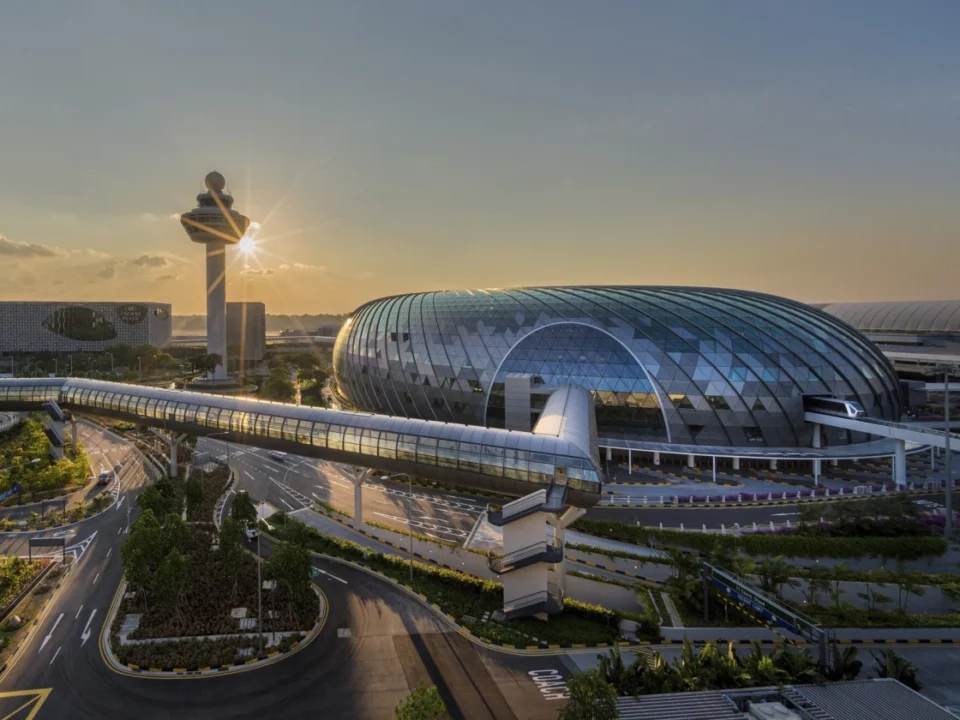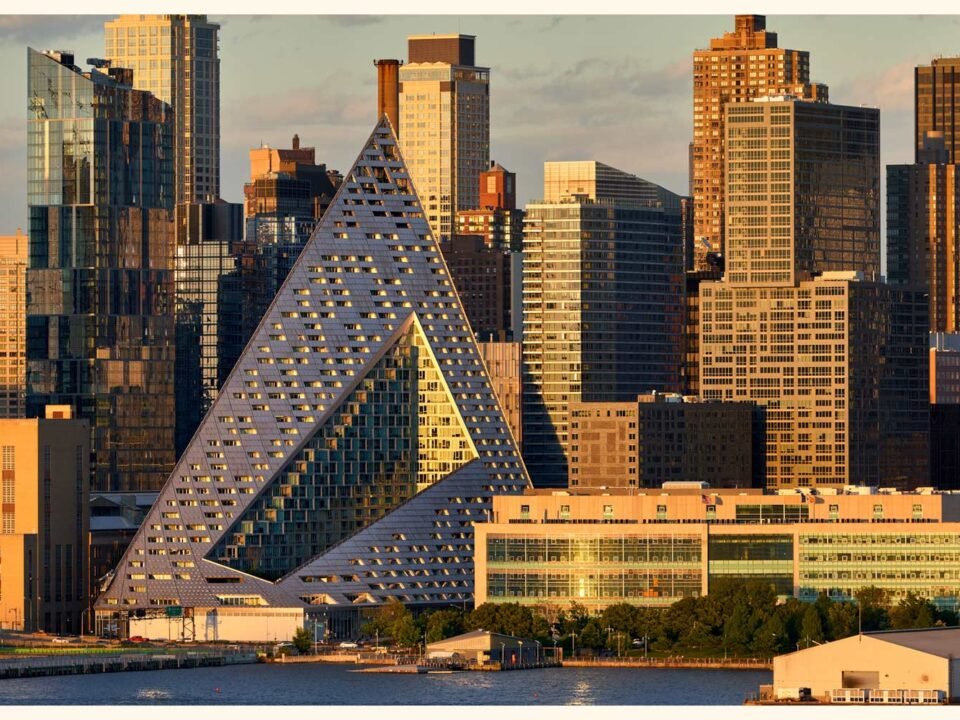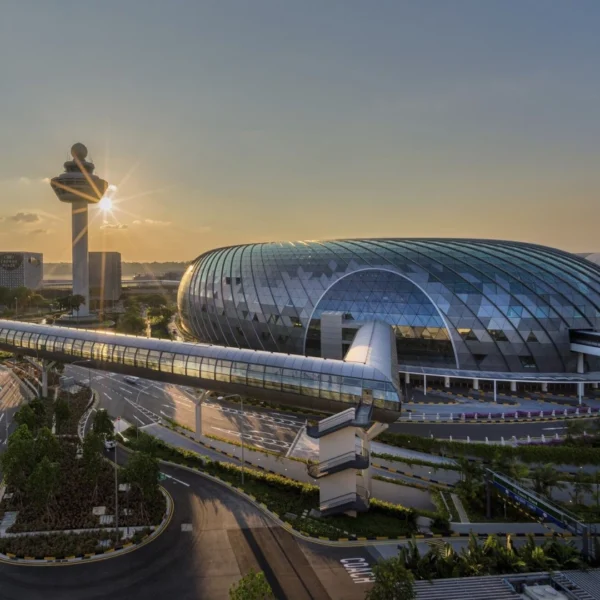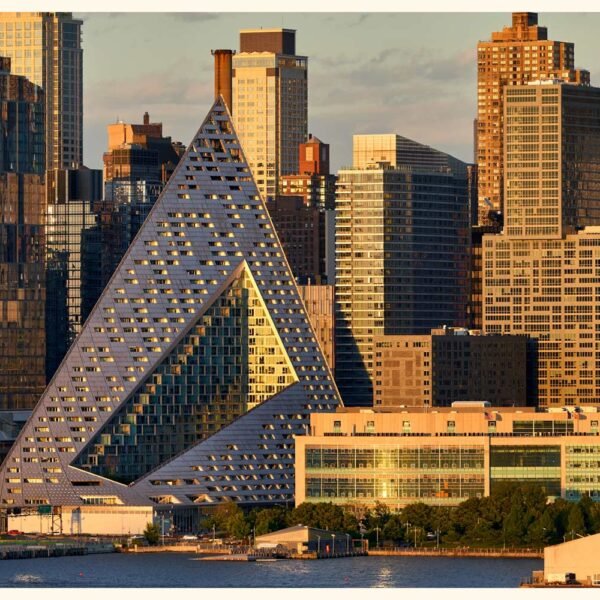
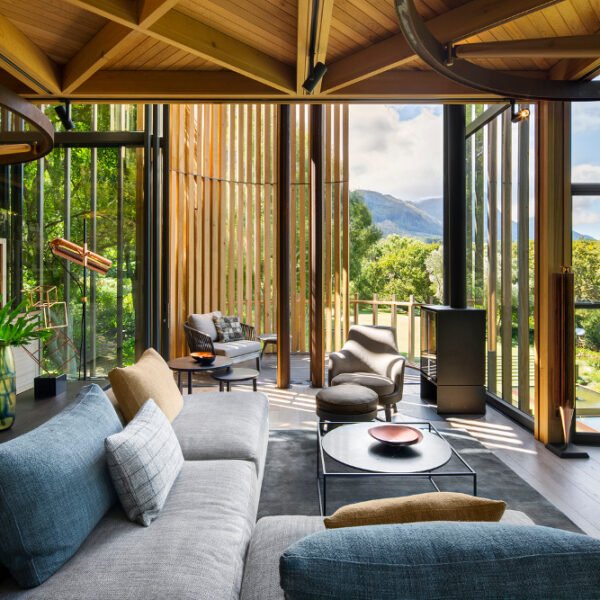
Biophilic and nature-integrated architecture has become one of the most influential global design movements today, driven by a growing desire to create spaces that enhance human well-being while staying environmentally responsible. At its core, biophilic design reconnects people with nature by incorporating natural elements—light, vegetation, water, textures, and organic forms—directly into the built environment. This approach is no longer just an aesthetic choice; it has evolved into a design philosophy grounded in psychology, sustainability, and the future of urban living.
The rise of high-density cities has intensified the need for restorative spaces. Modern projects now integrate green roofs, indoor gardens, climate-responsive facades, natural ventilation, and materials like stone or unfinished wood to bring a sense of calm and balance to daily life. Architects across the world are exploring how architecture can mimic natural patterns, optimize circadian rhythm through daylight access, and create sensory connections that soothe the mind. This trend has proven particularly impactful in residential, hospitality, and commercial developments, where user experience is just as important as structural innovation.
Beyond well-being, biophilic architecture is gaining traction because of its long-term environmental benefits. Integrating vegetation into buildings helps regulate temperature, reduce energy consumption, improve air quality, and enhance ecological biodiversity in urban areas. As sustainability becomes a global priority, nature-centric design provides a practical and future-proof pathway for architects and developers aiming to meet modern environmental standards without sacrificing sophistication or comfort.
In today’s design landscape—where innovation, lifestyle, and sustainability intersect—biophilic architecture stands out as a defining style of modern living. It speaks not only to visual beauty but also to how spaces should make people feel: grounded, inspired, and connected to something greater than the built form itself. For premium residential and commercial clients, this approach represents the next evolution of meaningful, human-centered architecture.