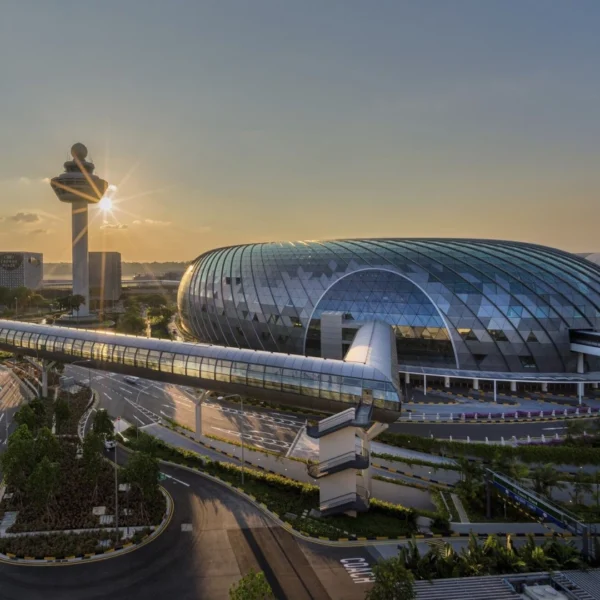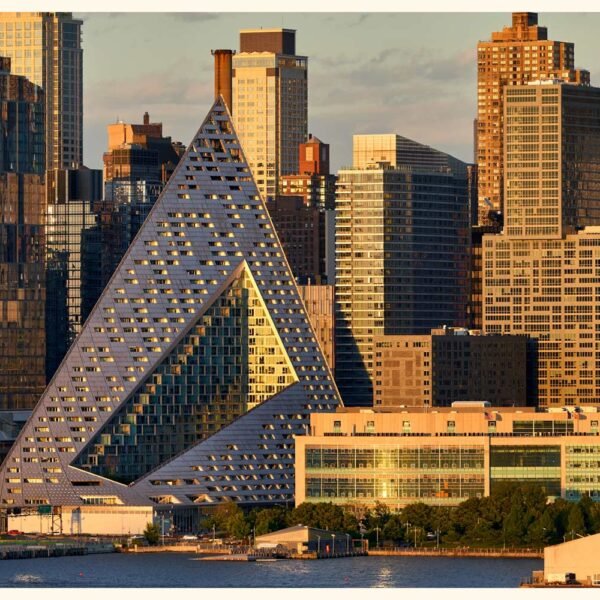
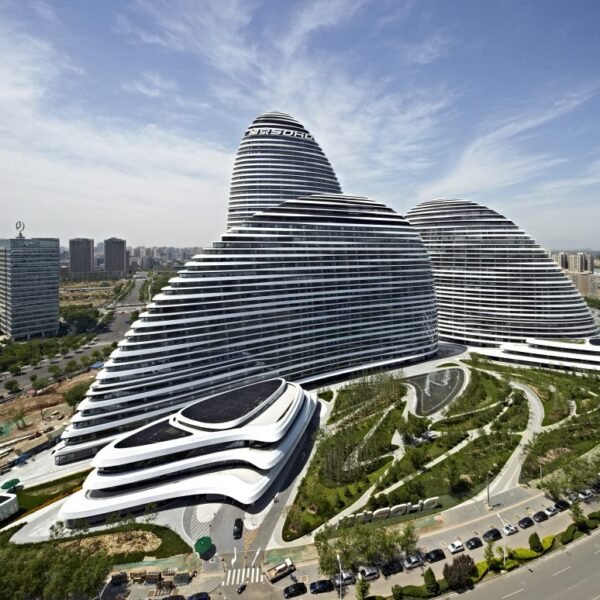
As the world enters a new era of architectural innovation, one design language is rapidly emerging as the defining aesthetic of the future: Neo-Organic Parametricism. This movement blends the fluidity of nature-inspired forms with the computational precision of parametric design, resulting in buildings that feel alive, adaptive, and seamlessly integrated with their environments. More than just a visual trend, Neo-Organic Parametricism represents a philosophical shift — architecture that grows, breathes, and performs like an ecosystem rather than a static structure.
The core of this design style lies in its biomimetic logic. Instead of forcing rigid geometry, architects use algorithms to mimic natural systems such as branching trees, ocean currents, honeycomb structures, and cellular growth patterns. From the exterior façade to internal circulation flow, every curve and contour is generated with performance in mind — optimizing sunlight, airflow, temperature, and material usage. This approach not only produces stunning, sculptural silhouettes but also enhances energy efficiency, making the style an ideal model for future sustainable architecture.
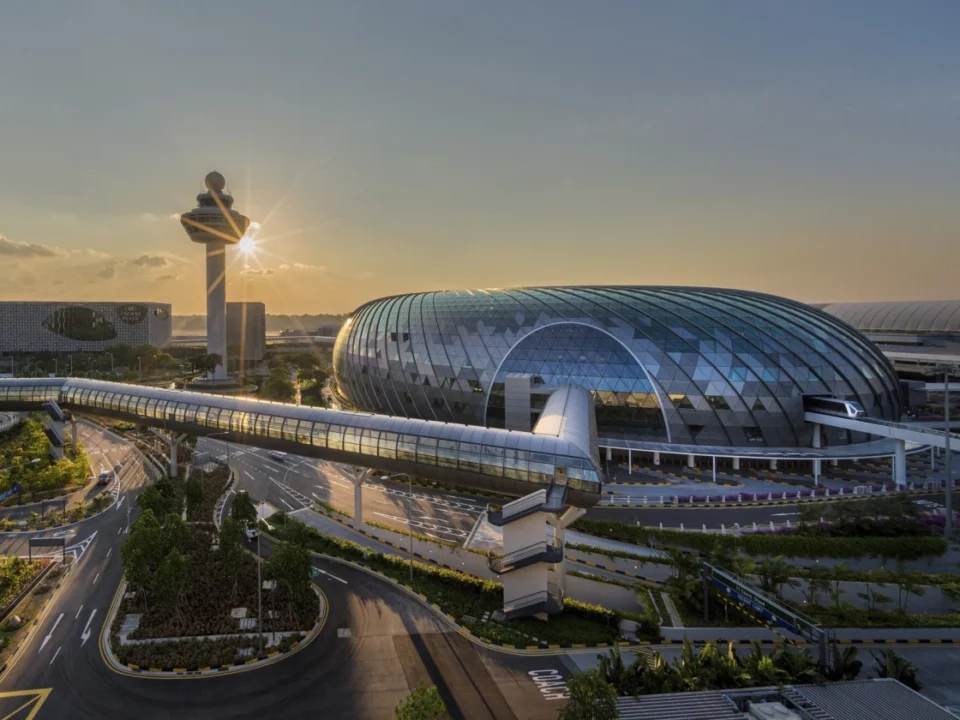
Cities such as Dubai, Shenzhen, Singapore, and Riyadh are already becoming early adopters, experimenting with parametric green skins, kinetic façades, self-shading towers, and immersive organic interiors. These landmark projects are demonstrating how architecture can respond intelligently to climate conditions: façades that open and close like petals, ventilation inspired by termite mounds, and shading devices modeled after desert flora. As environmental pressures intensify and smart-city infrastructure becomes mainstream, Neo-Organic Parametricism is expected to dominate skylines globally by 2026 and beyond.
Another key feature of this design approach is its seamless merging of physical and digital environments. Parametric buildings harmonize with augmented reality layers, interactive lighting systems, and AI-driven energy management, creating spaces that evolve with users. Walls become interfaces, public plazas become responsive surfaces, and interiors shift according to activity patterns. This fusion of digital intelligence with organic form sets the stage for a new generation of “living buildings” — structures that adapt to daily rhythms and environmental changes.
For designers, developers, and investors, the appeal of Neo-Organic Parametricism goes far beyond aesthetics. Its methodology encourages early integration of architecture, engineering, and sustainability, allowing teams to predict performance and reduce waste from the earliest concept phase. This collaborative, tech-driven workflow is quickly becoming the global benchmark for premium design standards — making the style not only visually compelling but also economically strategic for long-term value creation.
As the world looks toward futuristic, eco-integrated building solutions, Neo-Organic Parametricism stands at the forefront of innovation. At AZCREATION, this philosophy aligns deeply with our commitment to delivering premium, future-ready architectural experiences. By embracing advanced design tools, biomimetic logic, and sustainable engineering, we create projects that are not just modern — but timeless, high-performance, and crafted for the next generation of global living.