Timeless European Architecture Styles Loved Worldwide — And How Suitable Are They for Indonesia?
European architectural styles have long been admired for their elegance, craftsmanship, and timeless appeal. From classic villas to contemporary luxury homes, many of these styles continue to influence residential and resort developments across the globe. As interest grows in premium and character-driven architecture, a common question arises: which European styles are most popular today, and can they be adapted successfully to Indonesia’s tropical climate?
One of the most sought-after styles is Mediterranean Architecture, inspired by Southern Europe, particularly Italy and Spain. Characterized by stucco walls, natural stone, arches, terracotta roofs, and open courtyards, this style is highly compatible with Indonesia. Its emphasis on natural ventilation, shaded outdoor spaces, and thick walls makes it well-suited for hot and humid environments, especially for villas, resorts, and luxury residences.
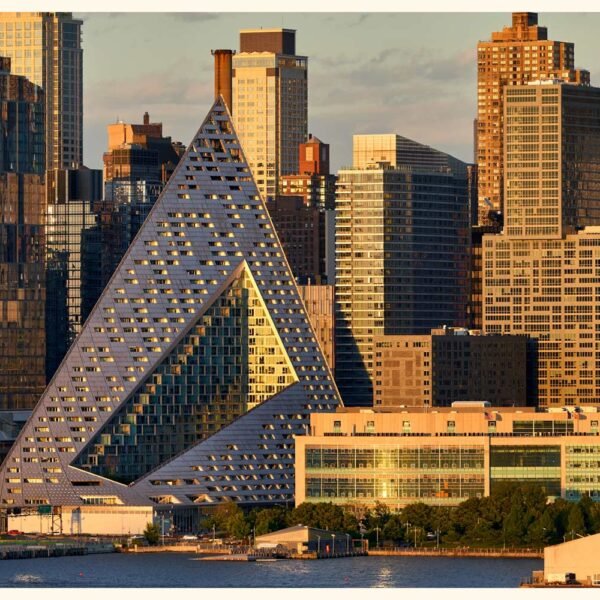
Another globally popular style is Modern European Architecture, often associated with contemporary homes in countries like Germany, the Netherlands, and Scandinavia. This style focuses on clean lines, minimalist forms, large glass openings, and functional layouts. When adapted properly with sun shading, cross-ventilation, and tropical materials, modern European architecture works exceptionally well in Indonesia and is widely used in high-end urban homes and premium developments.
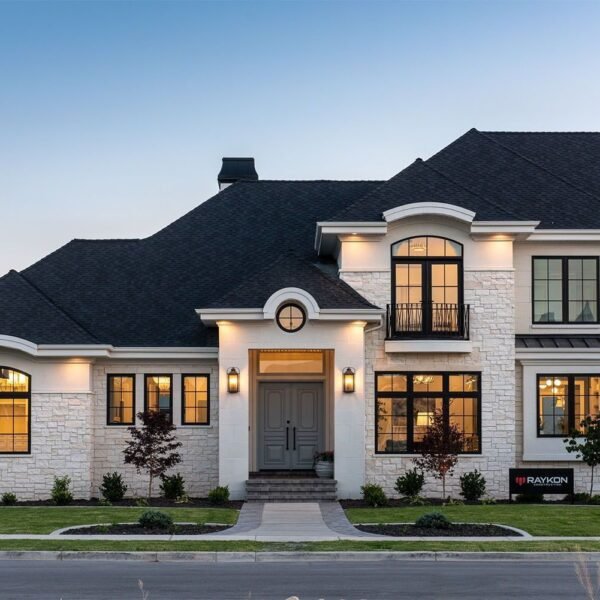
Classical European Architecture, influenced by French and Italian neoclassical design, is known for its symmetry, grand columns, ornate details, and luxurious proportions. While visually striking, this style requires careful adaptation in Indonesia. High ceilings, proper airflow, and climate-responsive materials are essential to prevent heat buildup. When executed thoughtfully, classical European design is ideal for landmark residences, luxury estates, and exclusive commercial projects.
Meanwhile, Scandinavian Architecture has gained global popularity for its simplicity, warmth, and functionality. Defined by natural wood, neutral tones, and efficient spatial planning, this style can work well in Indonesia when tropical adjustments are made. Replacing enclosed layouts with more open plans and using moisture-resistant materials allows Scandinavian design to maintain its calm aesthetic while remaining climate-appropriate.
In conclusion, many European architectural styles can be successfully applied in Indonesia when they are thoughtfully adapted rather than copied directly. Climate, materials, and lifestyle must be carefully considered to achieve both beauty and comfort. AZCREATION, a specialist in premium design and build services, excels in translating European architectural styles into elegant, functional spaces tailored for Indonesia. With expertise in luxury residential and villa projects, AZCREATION delivers timeless architecture that blends global inspiration with local intelligence.